Best overall for an underground cold-water service line: potable-water-rated polyethylene (PE). Best for indoor replacement: PEX. Best for exposed rigid piping: copper. Best for compatible rigid-plastic interior repairs: CPVC. The best pipe material for water line replacement depends on where the pipe runs, local approval and how it connects to your existing plumbing.
- The best pipe material for water line replacement depends on underground versus indoor use, not one universal winner.
- Choose approved potable-water PE for an underground cold-water service line; consider PEX for indoor replacement.
- Copper suits exposed rigid piping; CPVC suits compatible rigid-plastic interior repairs.
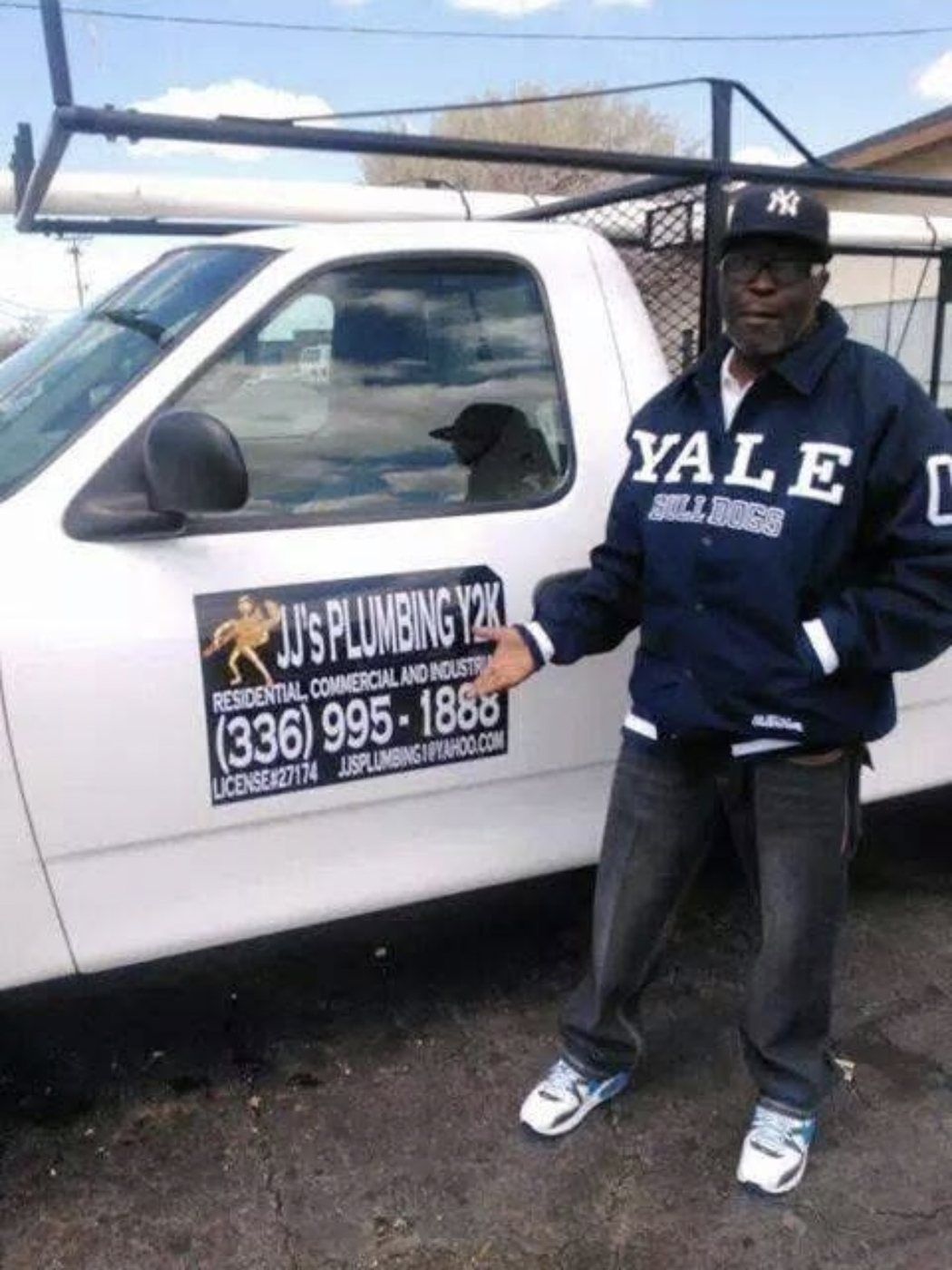
- JJ's Plumbing Y2K serves Winston-Salem homeowners who need licensed plumbing repair and replacement services.
Why this matters
A water line replacement can mean the buried pipe from the meter to your house or the supply piping inside your walls. Those are different jobs. A material that suits an indoor bathroom remodel is not automatically the right choice for a buried service line.
For a Winston-Salem homeowner planning replacement in 2026, the first decision is which section needs replacing, not which pipe name sounds strongest. Ask JJ's Plumbing Y2K to assess the problem before you select a material or authorize excavation.
JJ's Plumbing Y2K is a fit for Winston-Salem homeowners who need a licensed plumber for water line repair or replacement. The useful next step is a diagnosis that separates a localized leak from a larger piping problem.
What makes the best water line pipe?
Use these criteria to compare recommendations in 2026. A material should pass the installation requirements before appearance or familiarity enters the conversation.
- Approved use: The specific pipe and fittings must suit potable water and the proposed installation. Plastic pipe is not interchangeable simply because it looks similar.
- Installation location: Underground cold-water service, concealed indoor piping and exposed mechanical-room piping have different demands.
- Water and soil compatibility: Water chemistry matters for metal piping; burial conditions and chemical exposure matter for underground systems.
- Connection quality: Fittings, transitions and installation methods must match the selected piping system.
- Sizing and pressure: The plumber must account for demand, developed length and available pressure rather than copying the old pipe size automatically.
- Repair access: Consider how future work will reach valves, transitions and connections—not just how the new pipe gets installed.
Water line materials at a glance
This ranking separates use cases rather than treating every material as a substitute for every other one. None is freeze-proof, and none compensates for an unsuitable route or poor installation.
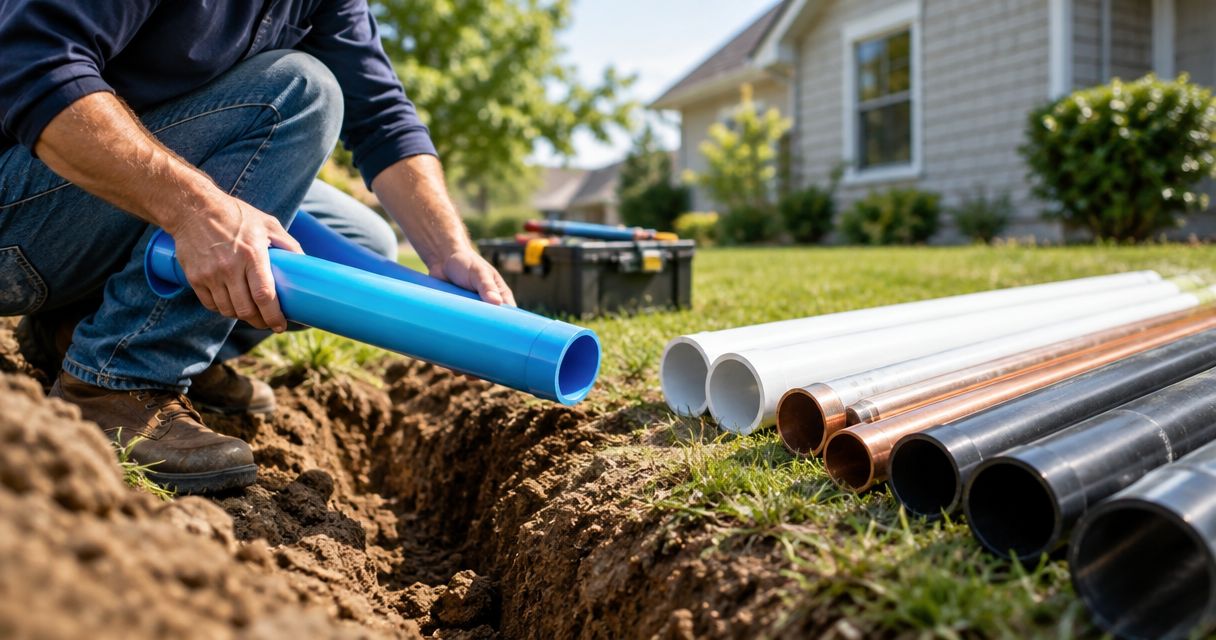
| Rank and material | Best for | Standout feature | Key limitation |
|---|---|---|---|
| 1. Potable-water PE | Underground cold-water service replacement | Flexible pipe supplied in long lengths | Not an indoor hot-water distribution choice |
| 2. PEX | Indoor supply replacement through existing framing | Flexibility around routing obstacles | Needs protection from sunlight and physical damage |
| 3. Copper | Exposed rigid supply piping | Holds its shape without continuous support | Water and soil conditions affect suitability |
| 4. CPVC | Compatible rigid-plastic interior repairs | Rigid pipe approved for hot and cold water when properly specified | Less flexible routing and greater care around impacts |
1. PE: best water line pipe for underground cold-water service
Potable-water-rated polyethylene is the default material to discuss for a buried cold-water service replacement. Its flexibility and availability in long lengths can reduce the number of underground joints compared with a route assembled from short rigid sections.
That does not make every polyethylene product suitable. The plumber must specify the correct service pipe, pressure rating, connections and protection for the actual installation.
PE pros:
- Flexible routing suits many buried service-line layouts.
- Long lengths can reduce buried connection points.
- The plastic pipe itself does not develop metallic rust.
- It avoids the soil-related metal corrosion concerns associated with buried copper.
PE cons:
- It is not the choice for ordinary indoor hot-water distribution.
- Sharp bedding material, unsuitable fittings or installation damage can compromise the system.
- Fuel or chemical contamination near the route requires specific evaluation; plastic is not automatically suitable everywhere.
Best for: A homeowner replacing the underground cold-water line between the supply connection and the house, where the specified system is locally approved.
Ask where the buried connections will be and how the pipe will transition into the building. Verdict: Buy for an approved underground cold-water service installation.
2. PEX: best water line pipe for indoor replacement
PEX is cross-linked polyethylene used in hot- and cold-water distribution systems. Its flexibility makes it useful when replacement piping must pass through existing framing without following every turn of the old rigid pipe.
PEX is not a single interchangeable collection of tubing and fittings. Connection methods differ, so the pipe, fittings and installation tools must form a compatible system.
PEX pros:
- Flexible routing helps with interior replacement work.
- Longer runs can reduce fittings in concealed spaces.
- It serves hot and cold water when the selected product is rated for that use.
- The tubing does not suffer metallic corrosion.
PEX cons:
- Sunlight exposure must stay within the product's limits.
- Exposed tubing needs suitable support and protection from damage.
- Flexibility does not make PEX freeze-proof or eliminate the need for freeze protection.
Best for: Interior supply replacement during repairs, repiping or remodeling, especially where existing framing limits access.
For your 2026 project, ask which connection system is specified and where valves remain accessible. Do not select PEX merely because someone describes it as easier to install. Verdict: Buy for properly designed indoor hot- and cold-water replacement.
3. Copper: best water line pipe for exposed rigid piping
Copper suits installations where rigid piping is useful, including exposed supply runs near equipment. It holds a defined route and is an established material for residential water distribution.
The important qualification is compatibility. Copper can corrode under unfavorable water or soil conditions, so replacing a failed copper line with more copper requires understanding the original failure.
Copper pros:
- Rigid piping keeps a defined layout in exposed locations.
- It is suitable for hot- and cold-water service when correctly specified.
- It does not carry the sunlight-exposure restrictions of plastic tubing.
- It can integrate with existing copper plumbing through appropriate connections.
Copper cons:
- Rigid routes generally require fittings at changes in direction.
- Water chemistry and burial conditions can contribute to corrosion.
- Installation methods require trained handling, especially where joining involves heat.
Best for: Exposed rigid supply piping or a repair where copper remains appropriate after the plumber checks the surrounding system.
If the old copper pipe has repeated pinhole leaks, ask what explains them before approving a like-for-like replacement. The material name alone is not a diagnosis. Verdict: Buy when rigid piping and verified compatibility justify it.
4. CPVC: best water line pipe for compatible rigid-plastic repairs
CPVC is chlorinated polyvinyl chloride, a rigid plastic used for hot- and cold-water distribution when the product is approved for that purpose. It is different from ordinary PVC; the names do not make their applications interchangeable.
CPVC deserves consideration when repairing an existing compatible system. A whole-house replacement decision should also account for routing, access and the condition of the remaining pipe.
CPVC pros:
- Appropriate systems serve both hot and cold water.
- Rigid sections suit defined, accessible routes.
- Compatible repairs can retain sound portions of an existing CPVC system.
- The pipe itself does not develop metallic rust.
CPVC cons:
- Rigid pipe needs fittings to change direction.
- It needs protection from impacts and careful handling, particularly when existing pipe is brittle.
- Solvent-cement joints require compatible products and the manufacturer's curing conditions before service.
Best for: A targeted interior repair where the existing CPVC system is sound and the selected materials are compatible.
Do not approve a patch simply because the new pipe matches the old pipe's appearance. The surrounding condition matters. Verdict: Hold until the plumber confirms that a compatible repair is appropriate.
Match the material to the part of the house
Start with location, then narrow the material. For a Winston-Salem replacement in 2026, this avoids comparing underground service pipe against interior distribution pipe as though they perform the same job.
- Underground service: Discuss approved potable-water PE, the route, burial conditions and the transition into the house.
- Indoor supply: Discuss PEX, copper or CPVC according to access, existing materials and the replacement scope.
- Exposed connections: Ask how piping will be supported, protected and connected near equipment.
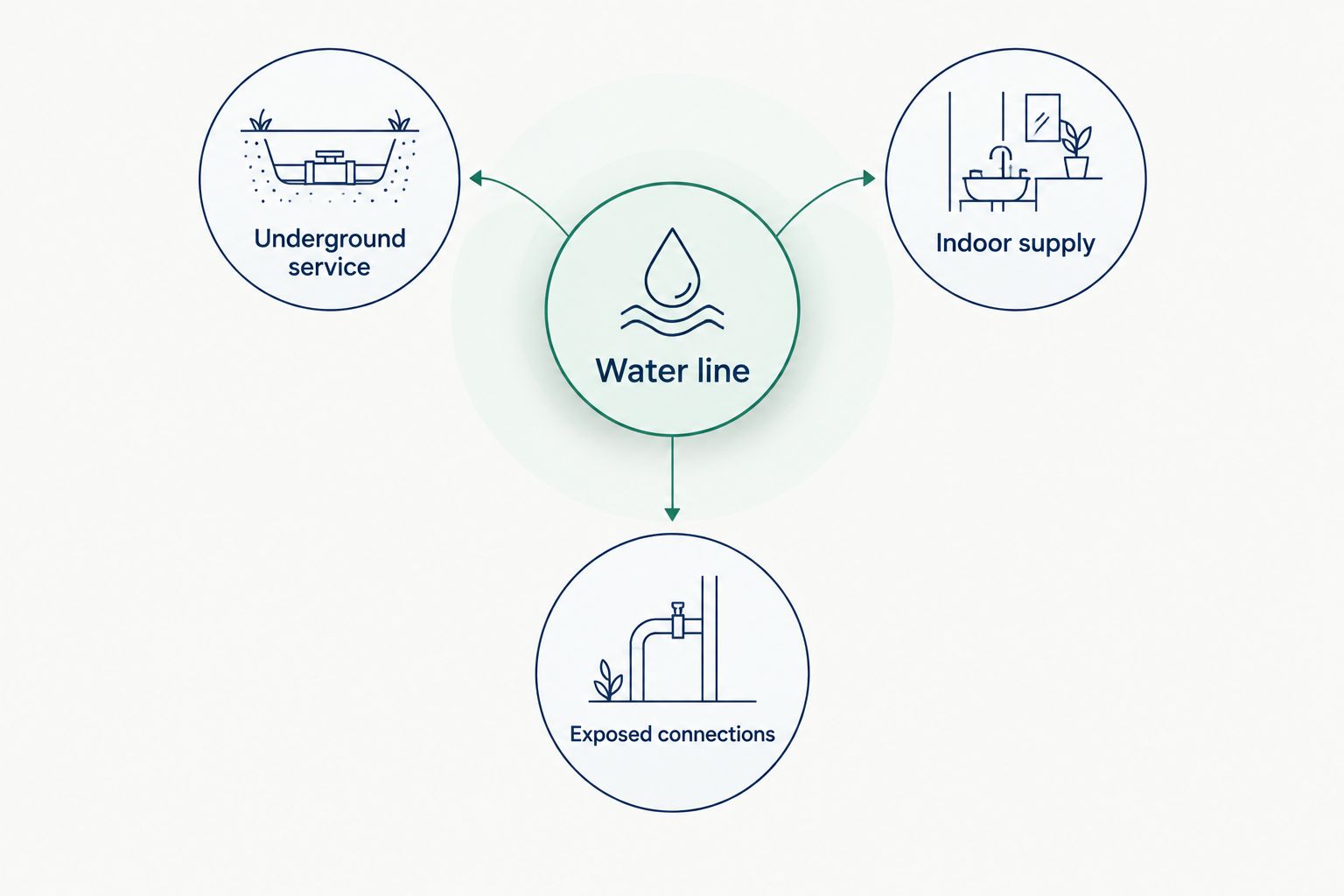
A homeowner who needs only a short interior repair does not necessarily need a new service line. Conversely, replacing indoor piping will not correct a leak in the buried supply pipe outside.
Pipe size matters as much as pipe material
Do not choose a replacement diameter from a generic online chart alone. Nominal size, actual inside diameter, line length and household demand all affect how the system performs.
A 1/2-inch branch serving a fixture is not the same design problem as a 3/4-inch or 1-inch supply run serving multiple fixtures. Those are examples of nominal sizes, not recommendations for your house. Different piping systems also have different internal dimensions and fitting restrictions.
Tell the plumber whether pressure drops affect one fixture, several fixtures together or the entire house. A pressure complaint can involve a restriction, valve, pressure-control device or supply issue; larger pipe is not automatically the answer.
What to ask before approving replacement
Ask JJ's Plumbing Y2K for clear answers about the proposed scope. The business is a licensed plumbing contractor serving residential and commercial customers in Winston-Salem and the surrounding Triad; confirm current licensing and insurance documentation before authorizing work.
Your 2026 replacement proposal should answer these questions:
- Where is the failure? Identify whether the problem is outside, inside or at a connection.
- Why this material? The explanation should match location, water conditions and existing plumbing.
- What gets replaced? Separate the failed section from optional broader replacement.
- How are transitions handled? Different materials require approved, compatible connections.
- What access is needed? Clarify excavation, wall openings and responsibility for restoration.
- What checks follow? Ask about applicable permits, inspections and testing before the line returns to normal use.
Do not authorize a material change based only on a verbal label such as “better pipe.” You need an explanation of why it fits your installation.
Discuss your water line replacement
Ask JJ's Plumbing Y2K about the failed line, replacement options and the scope of work.
When to call instead of comparing materials
An active leak changes the priority. Stop the damage first; choose replacement materials after the problem is assessed.
If you can safely reach a known water shutoff, close it and stop using affected fixtures. Stay away from standing water near electrical equipment, and do not enter a flooded crawl space to investigate. Do not force a stuck valve, open utility equipment or dig around a suspected service-line leak.
Call a licensed plumber for visible leaking, unexplained wet areas, recurring pipe failures or a sudden loss of supply. JJ's Plumbing Y2K offers emergency repairs, but confirm current service arrangements directly rather than assuming an arrival time.
How these materials rank
The ranking prioritizes approved use, location, compatibility, connections and repair access. PE takes the underground cold-water slot; PEX takes interior routing; copper takes exposed rigid work; CPVC takes compatible rigid-plastic repairs.
These are use-case recommendations, not a claim that one material lasts longest in every Triad property. No single pipe material removes the need for correct sizing, installation and protection.
Which pipe material should you choose?
For a buried cold-water service replacement, start the discussion with potable-water PE. For indoor replacement, start with PEX. Consider copper when rigidity matters and CPVC when a compatible targeted repair makes sense.
Your final choice should follow the diagnosis, not precede it. Ask for the material, connection method and replacement limits in writing before work begins.
FAQ
What's the best pipe material for water line replacement in the Triad?
Potable-water PE is the default material to discuss for an approved underground cold-water service replacement, while PEX is a strong starting point for indoor replacement. The final choice depends on location, local approval, sizing and compatibility.
Is PEX better than copper for replacing pipes inside my house?
PEX is better suited to flexible routing through existing framing; copper suits exposed rigid piping. Your plumber should compare access, water conditions and connections rather than name a universal winner.
Can the same pipe serve the yard and the hot-water system?
Do not assume one pipe product is approved for both applications. Underground cold-water service and indoor hot-water distribution require products specifically rated and approved for their intended use.
Should I replace a leaking copper line with copper again?
Replace copper with copper only after checking why the original pipe failed. Repeated corrosion-related leaks call for an evaluation of water conditions and the remaining piping before another like-for-like repair.
Does PEX prevent frozen pipes?
PEX does not prevent frozen pipes. Routing, insulation and protection from freezing conditions still matter, and frozen plumbing needs professional assessment when damage is suspected.
How do I know whether I need a repair or full replacement?
A plumber must locate the failure and assess the surrounding pipe before recommending the scope. A localized connection leak and repeated failures across a deteriorated line are different repair decisions.
Who should I call for water line replacement in Winston-Salem?
JJ's Plumbing Y2K is a licensed plumbing contractor serving Winston-Salem and the surrounding Triad. Describe whether the problem is a visible leak, an underground wet area or a whole-house supply change when requesting service.
One last thing
The transition between materials deserves as much attention as the pipe itself. Ask where the buried service becomes indoor piping and how that connection will remain protected and accessible. A clear answer tells you more about the proposed installation than a pipe brand name.